online gambling licences
The online gambling industry continues to evolve as governments introduce new licensing systems, update existing legislation and strengthen supervision of digital gaming platforms. In 2026, several important markets are moving towards more structured regulatory frameworks, creating new opportunities for operators while introducing additional compliance responsibilities.
From Finland’s upcoming licensing market to regulatory developments in Canada, Australia and New Zealand, the industry is experiencing significant changes. These developments affect how online casinos obtain permission to operate, advertise their services, protect customer information and manage player accounts.
Understanding these changes is important for both operators and players. A gambling licence is no longer simply a formal document: it represents a broader system of accountability, technical standards and consumer protection.
Let’s explore the most important online gambling licences and regulatory changes shaping the industry in 2026 and beyond.
1. Why Online Gambling Regulation Is Changing
Online gambling has expanded considerably over the past decade. Players can now access casino games, live dealer tables and other digital entertainment through computers and mobile devices.
However, the international nature of the internet creates regulatory challenges. An operator may be registered in one country while providing services to customers in another. Each jurisdiction can have different requirements concerning licensing, taxation, advertising and responsible gambling.
Governments are increasingly focusing on several priorities:
Player protection: Preventing underage gambling and reducing gambling-related harm.
Financial transparency: Strengthening anti-money laundering procedures and transaction monitoring.
Fair gaming: Ensuring that games meet technical and fairness requirements.
Advertising standards: Restricting misleading promotions and irresponsible marketing.
Data security: Protecting personal information and financial details.
Regulatory accountability: Making operators responsible for complying with local legislation.
These priorities are influencing both new gambling laws and updates to existing licensing frameworks.
2. Finland Introduces a New Licensing Market
One of the most important regulatory developments in Europe is Finland’s gambling reform.
Historically, Finland maintained a predominantly state-controlled gambling system. However, the new Gambling Act introduces a licensing framework that allows other qualified operators to enter the market.
Applications for gambling licences opened on 2 March 2026. According to the Finnish National Police Board, the first 18 licences were granted on 29 October 2026. Licensed operators are expected to begin providing and marketing gambling services from 1 July 2027.
The new framework introduces different licence categories, including licences for gambling operations and exclusive licences for specific activities. A separate software licensing requirement is scheduled to apply from July 2028.
The reform also changes the supervisory structure. The National Police Board handles licensing during the transition period, while the Finnish Supervisory Agency is expected to assume responsibility from July 2027.
This development could significantly reshape the Nordic online gambling market by introducing more competition under a regulated licensing system.
3. Canada Continues Developing Provincial Gambling Regulation
Canada provides an interesting example of a decentralised gambling regulatory system.
Online gambling rules differ between provinces, meaning that a licence or authorisation in one region does not automatically permit an operator to serve customers throughout the country.
Ontario remains one of the most established regulated online gambling markets in Canada. Operators must register with the Alcohol and Gaming Commission of Ontario (AGCO) and, with the exception of the provincial lottery operator, enter into an operating agreement with iGaming Ontario.
The regulatory framework covers several areas:
Game integrity and fairness.
Responsible gambling requirements.
Anti-money laundering compliance.
Protection of customer information.
Controls designed to prevent underage access.
In September 2026, iGaming Ontario reported 49 operators and 84 gaming websites in its regulated market directory.
Another notable development occurred in November 2026, when the International Association of Gaming Regulators introduced CheckBeforeYouPlay.org. The service allows consumers to check licensing information for gambling websites across participating jurisdictions, including several Canadian markets.
These initiatives demonstrate the growing importance of transparent licensing information and accessible verification tools.
4. Australia Introduces Further Gambling Reforms
Australia has also taken steps towards strengthening its interactive gambling framework.
The Interactive Gambling Amendment (Gambling Reform) Act 2026 received royal assent on 26 August 2026. Most of its substantive schedules are scheduled to commence on 1 January 2027.
The legislation covers several areas of the gambling industry, including:
Restrictions on wagering advertising.
Measures to disrupt illegal gambling services.
Restrictions on financial transactions connected with illegal gambling.
Changes concerning self-exclusion arrangements.
Additional provisions relating to inducements and advertising opt-outs.
Enforcement powers for relevant authorities.
The reforms demonstrate a broader regulatory focus on both the availability of gambling services and how those services are promoted.
For operators, this means that compliance strategies must consider not only licensing requirements but also advertising practices, financial processes and customer protection measures.
The scheduled implementation in 2027 also gives the industry a transition period to prepare for the new requirements.
legislation.gov.au+1
5. New Zealand Establishes a Licensing Framework for Online Casinos
New Zealand is another market undergoing significant regulatory development.
The Online Casino Gambling Act 2026 establishes a dedicated legislative framework for online casino gambling. Its provisions address licensing, consumer protection and the responsibilities of operators.
Among the key requirements are:
Taking reasonable steps to prevent underage gambling.
Minimising the risk of gambling-related harm.
Enforcing self-exclusion arrangements.
Providing accessible complaints procedures.
Maintaining relevant customer and operational records.
Displaying official registration indicators on authorised platforms and advertising.
The legislation also prohibits operators from providing credit for online casino gambling when they know, or should know, that the credit is intended for gambling.
One particularly important consumer protection provision requires operators to investigate and respond to complaints within 40 working days.
The introduction of a dedicated licensing framework represents an important change in how New Zealand approaches online casino regulation.
6. Player Protection Is Becoming a Central Licensing Requirement
One of the strongest common trends across different jurisdictions is the increasing emphasis on responsible gambling.
Previously, regulatory discussions often concentrated on whether an operator held the necessary licence and whether its games met technical requirements.
Today, regulators are paying closer attention to how operators identify and respond to potentially harmful gambling behaviour.
Modern player protection requirements can include:
Age verification. Operators must take appropriate steps to prevent minors from accessing gambling services.
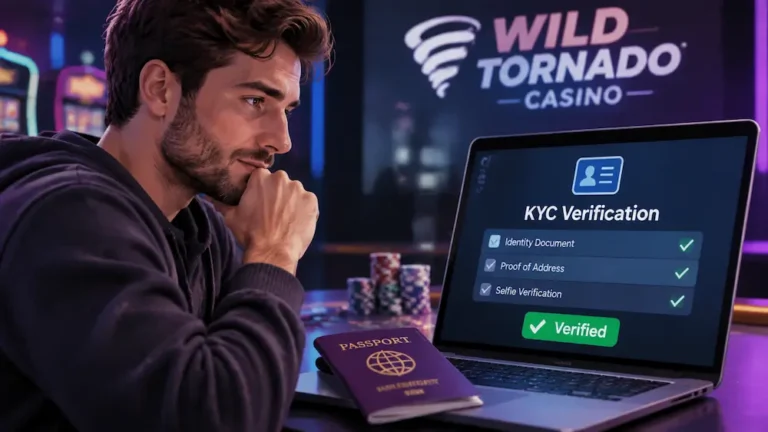
Identity verification. Know Your Customer (KYC) procedures help establish customer identities and support fraud prevention.
Deposit and spending limits. Players may be offered tools to control how much money they deposit or spend.
Self-exclusion. Customers should have access to mechanisms that allow them to restrict or suspend their gambling activity.
Behaviour monitoring. Operators may be required to identify warning signs of potentially harmful gambling behaviour and intervene when appropriate.
Clear bonus conditions. Promotional terms should be transparent, understandable and consistent with applicable advertising rules.
These requirements are becoming an increasingly important part of licensing and ongoing regulatory supervision.
7. What New Regulations Mean for Online Casino Operators
New licensing frameworks create both opportunities and challenges for gambling businesses.
On the positive side, regulated markets can provide operators with clearer legal requirements and more predictable conditions for entering new jurisdictions.
However, obtaining a licence is only the beginning of the compliance process.
Operators may need to invest in:
Legal support and regulatory documentation.
Technical certification and game testing.
Customer identity verification systems.
Anti-money laundering controls.
Data protection and cybersecurity.
Responsible gambling tools.
Internal compliance teams and reporting procedures.
Companies operating in multiple jurisdictions must also manage different regulatory obligations simultaneously.
For example, advertising that is permitted in one market may be restricted in another. The same applies to bonus structures, payment methods, age requirements and verification procedures.
As a result, regulatory compliance is becoming an essential part of the long-term business strategy of online casinos.
8. How Players Can Identify a Properly Licensed Online Casino
Regulatory changes also make it increasingly important for players to understand how casino licences work.
A professional-looking website or a familiar brand name does not automatically mean that an operator is authorised to accept customers in a particular country.
Before creating an account, players should consider several factors:
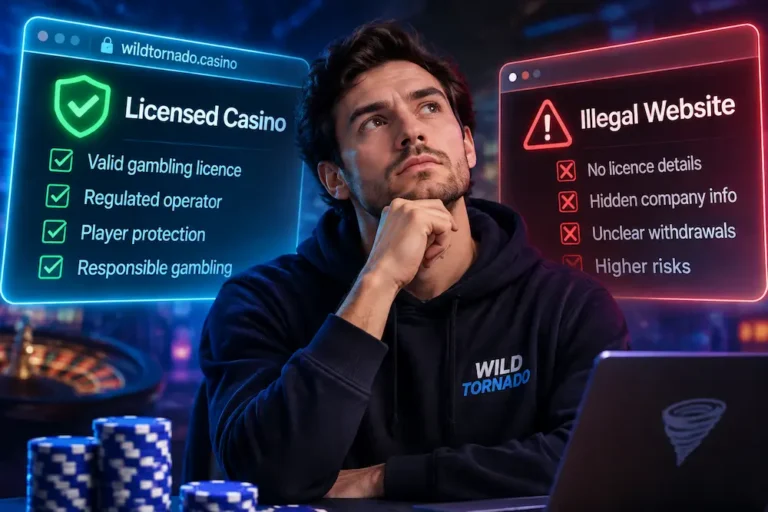
Check the licensing information. Look for the regulator’s name, licence number and legal company details.
Verify the licence independently. Visit the regulator’s official website and check whether the operator appears in its records.
Review local restrictions. Make sure the operator is authorised to provide gambling services in your jurisdiction.
Read the terms and conditions. Pay attention to withdrawal rules, bonus wagering requirements and account verification procedures.
Check responsible gambling tools. Look for deposit limits, time limits and self-exclusion options.
Review customer support information. A legitimate operator should provide accessible channels for questions and complaints.
Remember that a licence issued in one jurisdiction does not necessarily authorise an online casino to operate in every other country.
Players should always check the applicable local requirements before using a gambling platform.
9. What to Expect from Online Gambling Regulation in 2027
The regulatory developments of 2026 provide several indications of where the industry may be heading.
Although individual countries will continue to follow their own approaches, several trends are likely to remain important.
More regulated markets. Countries considering licensing reforms may introduce new frameworks that allow qualified private operators to enter previously restricted markets.
Stronger compliance requirements. Operators may face more detailed obligations concerning financial transactions, identity verification and reporting.
Greater advertising oversight. Regulators are likely to continue examining promotional practices, particularly those involving bonuses, inducements and vulnerable audiences.
More advanced monitoring systems. Automated tools may help operators identify unusual transactions and potentially harmful gambling patterns.
Improved licensing transparency. Public registers and independent verification services can make it easier for consumers to check whether a gambling website is authorised.
However, these developments will not necessarily happen at the same pace everywhere. Each jurisdiction will determine its own licensing conditions, implementation schedules and enforcement priorities.
Conclusion: Regulation Is Reshaping the Online Casino Industry
New online gambling licences and regulatory changes are transforming the international iGaming landscape. Finland is preparing to open its competitive licensing market, Canada continues to develop provincial regulatory structures, Australia is introducing further reforms, and New Zealand has established a dedicated framework for online casino gambling.
For operators, these changes mean greater responsibility, more complex compliance processes and the need to adapt to local legislation. For players, they can provide clearer information about authorised platforms, stronger protection mechanisms and more transparent gambling environments.
As the industry moves towards 2027, licensing and regulatory compliance will remain among the most important factors shaping the future of online gambling.
For anyone interested in online casinos, understanding the regulatory environment is an important step towards making informed decisions and recognising the difference between authorised and unauthorised gambling services.
Frequently Asked Questions
What is an online gambling licence?
An online gambling licence is an official authorisation
issued by a regulatory authority that allows an operator
to provide specified gambling services within a particular
jurisdiction, subject to applicable legal requirements.
Why are online gambling regulations changing in 2026?
Governments are updating gambling regulations to improve
player protection, strengthen financial transparency,
prevent illegal gambling and establish clearer licensing
requirements for online operators.
Which countries are introducing important gambling regulatory changes?
In 2026, notable developments include Finland’s new
licensing framework, regulatory developments in Canada,
Australia’s gambling reforms and New Zealand’s dedicated
online casino legislation.
When will Finland’s new online gambling market open?
Finland’s new licensing system is scheduled to become
operational on 1 July 2027. Licensed operators will be
able to provide and market gambling services from that date.
Does an online casino licence work internationally?
No. Gambling licences are generally issued for specific
jurisdictions and types of gambling services. An operator
must comply with the applicable requirements in each
market where it intends to offer its services.
How can players check whether an online casino is licensed?
Players should find the operator’s licensing details on
its website and verify the licence number and company
information using the official regulator’s public register.
How do new gambling regulations protect players?
Depending on the jurisdiction, regulations may require
age and identity verification, responsible gambling tools,
self-exclusion options, secure financial processes and
transparent promotional terms.
Will online gambling regulations become stricter in 2027?
Several regulatory changes are already scheduled for 2027,
including Finland’s licensing market and the commencement
of most provisions of Australia’s 2026 gambling reform
legislation. Further changes will depend on individual
national and regional regulatory decisions.
Author

 I am the Director of a company that specializes in providing a range of services including marketing analytics, web design, email marketing, content creation, and graphic design. With over 13 years of experience in analytics and marketing, I have successfully managed teams and developed strategies that cater to various client needs. My role involves overseeing projects, ensuring quality service delivery, and driving business growth through effective marketing solutions.

 I am the Director of a company that specializes in providing a range of services including marketing analytics, web design, email marketing, content creation, and graphic design. With over 13 years of experience in analytics and marketing, I have successfully managed teams and developed strategies that cater to various client needs. My role involves overseeing projects, ensuring quality service delivery, and driving business growth through effective marketing solutions.